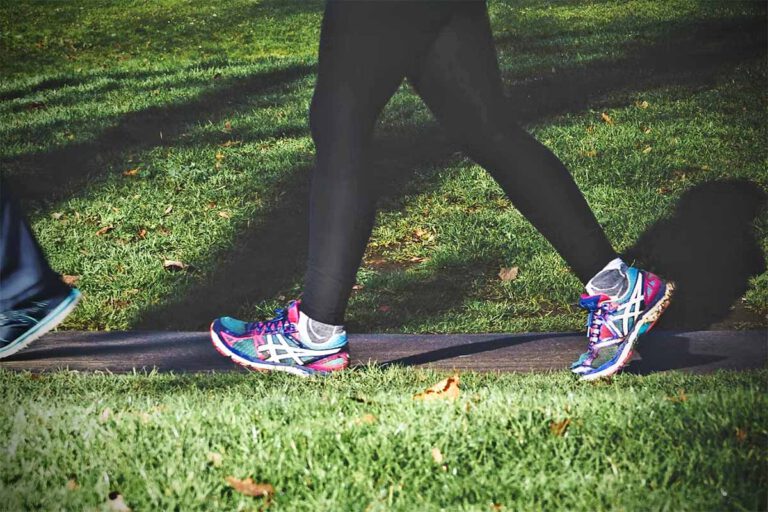
How to Start Running in Your 50s and 60s

Most people don’t realise that runners who start after age 50 have lower injury rates than those who’ve been running for decades. Your body hasn’t accumulated the repetitive stress that plagues lifelong runners, which gives you a surprising advantage.
But here’s the catch: you’ll need to approach this differently than someone half your age would. The strategies that work for a 25-year-old can sideline you for months, so understanding the right starting point makes all the difference.
Talk to Your Doctor Before You Start Running

Before you lace up your running shoes, schedule an appointment with your doctor. This health assessment becomes especially important after age 50, when underlying conditions like heart disease or joint problems might affect your training.
Your doctor can order tests such as a VO2 max evaluation to measure your cardiovascular fitness and determine safe intensity levels. A thorough medication review guarantees your prescriptions won’t cause complications during exercise.
This conversation helps identify potential risks and creates a personalised plan that keeps you healthy. Starting with medical guidance sets you up for long-term success.
Expect the First 10 Minutes to Feel Uncomfortable
When you start your run, those first 10 minutes will likely feel harder than the rest of your workout. This initial discomfort is completely normal: your heart rate’s increasing, blood flow’s ramping up, and your muscles are adjusting.
Understanding the warm up importance helps you push through these awkward minutes instead of stopping prematurely. Start slowly and let your body shift into its running rhythm.
Your body needs time to find its groove. Patience during those first awkward minutes pays off with easier miles ahead.
This phase isn’t a sign you’re doing something wrong; it’s proof your system’s working correctly.
Many runners in their 50s and 60s quit too early, missing the smoother miles that follow this essential adjustment period.
Start With Walk-Run Intervals, Not Continuous Running
Once you’ve pushed past that uncomfortable warm-up phase, you’re ready to address the bigger picture: you shouldn’t try running continuously right away.
Walk run benefits include reduced injury risk and sustainable progress.
Start with alternating one-minute jogging and one-minute walking intervals. These beginner strategies allow your body to adapt gradually. The Couch to 5K program provides excellent structure for this approach.
Over several weeks, you’ll extend running segments while shortening walking breaks. Each completed interval represents progress worth celebrating as you build stamina systematically.
Invest in Quality Running Shoes With Proper Support

Your running shoes represent the single most important gear investment you’ll make as an older runner.
Quality footwear prevents injuries by supporting age-related changes in foot mechanics.
Look for adequate arch support and cushioning around your heel and forefoot to absorb impact.
Consider a professional gait analysis; it’ll identify your specific foot strike pattern and running style.
Research shoe brands designed for mature runners or those returning after years away.
Read reviews from people in similar situations.
Replace your shoes every 300-500 miles, even if they look fine.
Worn cushioning increases injury risk considerably.
Add Miles Slowly: Think Months, Not Weeks
With proper shoes supporting your feet, you’re ready to address the most common mistake older runners make: adding distance too quickly.
Mileage progression matters more than you’d think; the 10% rule exists for injury prevention. If you run 10 miles this week, aim for 11 next week, not 15.
Building to 20-30 weekly miles takes 16-20 weeks for most people in their 50s and 60s. That’s months, not weeks.
Treat your first 10 minutes as warm-up time. Keep easy days truly easy, and listen when your body signals persistent aches.
Rest days aren’t setbacks, they’re strategic. A gradual approach to running ensures your body adapts safely to the demands of increased mileage and intensity.
Schedule More Recovery Days as You Get Older
Recovery becomes non-negotiable in your 50s and 60s because your muscles and connective tissues need 48-72 hours to repair instead of the 24-36 hours they required in your 30s.
Follow a hard/easy pattern: after each challenging workout, take two easy days. This approach prevents injuries and keeps you running longer. Aim for 20-30 miles weekly while building in these rest periods.
Your training cycles should span 16-20 weeks, giving your body time to adapt gradually.
Listen carefully to persistent aches; they’re signals you need extra recovery.
Smart recovery techniques now mean you’ll stay healthy enough to keep running consistently.
Stop Comparing Yourself to Younger Runners

Comparing your current pace to that 28-year-old flying past you accomplishes nothing except making you miserable.
Self-acceptance means recognizing that your 55-year-old body operates differently than it did three decades ago. That’s biology, not failure.
Your personal growth comes from running three miles today when you couldn’t run one last month.
Focus on your own progress markers: improved endurance, lower resting heart rate, better sleep quality.
These victories matter more than matching someone else’s speed.
You’re building health and longevity, not training for the Olympics.
Celebrate what your body can do right now.
Join a Running Group for Accountability and Safety
Running alone works for some people, but most beginners in their 50s and 60s benefit from the structure and support of a group.
You’ll find accountability partners who’ll notice when you miss a session. Group dynamics create natural motivation; you’re less likely to skip when others expect you.
Group accountability transforms good intentions into consistent action. When others expect you, showing up becomes easier.
The social benefits extend beyond fitness: you’ll build friendships with people facing similar challenges.
Many groups include experienced coaches who’ll teach proper form and injury prevention. Running together during early mornings or evenings adds safety.
Members share local race information, giving you meaningful goals and a sense of connection with other runners.